No score. No upsell. Nothing to fix that isn’t in the photo.

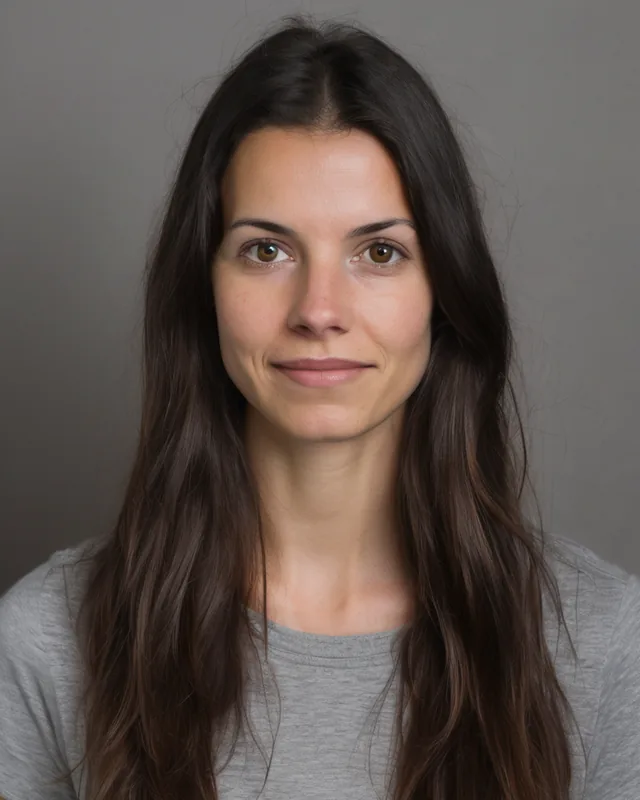
She thought she came across reserved.
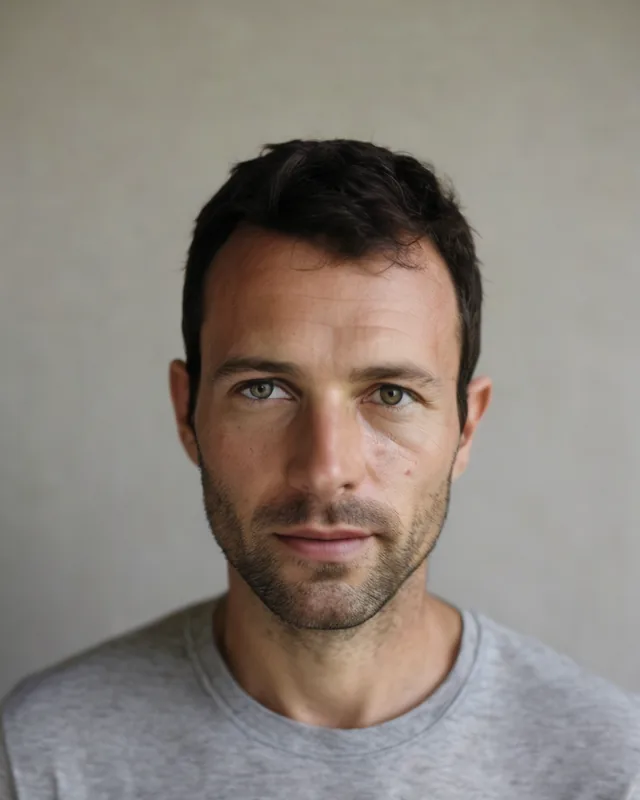
He thought he looked tired.

Sample subject: the report's findings marked on dating-profile photos

Flat frontal light — the most unflattering there is.

what to change leave alone

Real reports, marked on the photos they were written about. Read them in full. The faces are generated, so nobody’s photo is exposed.

It was a grey shirt on a grey wall. It was the light from above. Neither was their face — and most of what people worry about in their photos isn't.

One payment, USD — roughly £8, €9, CA$14 or A$15; your bank converts. Back within 24–72 hours. No subscription, no score out of ten.

Send one photo, or the two or three you're choosing between — with more than one, the report also says which to lead with. Order before 30 September 2026 and founding members get whatever we build next, free.

What people get wrong about their own photos

Dating-profile photos

Flat frontal light — the most unflattering there is.

what to change leave alone

You thought you came across reserved.

It's a grey shirt on a grey wall, hair curtaining both sides, and flat light — not your face.

Dating-profile photos

Two people. Two wrong worries.

Each came with a theory about what was wrong. Neither was right. Look at the face, read the lines, and judge for yourself whether they could have been written about anyone else.

Front-facing photo of a woman with long dark hair in a grey t-shirt against a grey wall
Her worry: her photos read as “competent but reserved”. What it actually was: a grey shirt, a grey wall and flat light. Nothing on her face.

On what to change

Wear something that contrasts with both your skin and whatever’s behind you — a deep green, burgundy, cream, or a strong navy would all work with your colouring. Or keep the grey and stand in front of something with colour or texture. Either fixes it; doing both is best. This is the single biggest lift in the whole report.

On what to leave alone

This is your strongest area — don’t reshape the brows, don’t thin them, don’t add a heavier arch. A brow gel to lift and hold, nothing more.

On what a photo can’t tell anyone

The redness may be partly camera white balance rather than skin — a phone camera in cool light exaggerates it. Don’t buy anything for it until you’ve seen a photo in natural daylight.

Front-facing photo of a man with short dark hair and stubble in a grey t-shirt against a grey wall
His worry: he “always looks tired in photos”. What it actually was: light from above, hair pushed back, grey on grey. Nothing that needs more than a barber and a window.

On what to change

Pushing the hair straight back frames the temple recession and makes it the first thing the eye lands on. Directing the top slightly forward and to one side, with a shorter taper at the sides, softens that line without hiding it — you’re not covering anything, you’re just not pointing at it.

On what to leave alone

Keep the stubble. The jaw and chin carry it well — don’t shave it off for a “cleaner” look. It’s doing more for the jaw than a razor would.

On what a photo can’t tell anyone

The “tired” read here is mostly light from above landing in the under-eye hollow, plus a touch of forehead shine. Whether that’s sleep or optics isn’t knowable from this photo.

Read both reports in full →

Illustrative examples. Neither face is a real person — they were generated so no customer is exposed — no real person's photo or report is ever shown publicly. The reports were written about these exact images.

What you actually get

And, just as importantly, what you don't.

Included

  • Two or three changes, ranked

    Not a list of twenty things. The ones with the largest effect for the least effort, in order, so you know what to do first.

  • What to leave alone

    Most advice in this space invents problems. If something already works for your face, you'll be told to keep it.

  • Why, in plain terms

    Each suggestion comes with the reasoning, so you can judge it for yourself instead of taking it on faith.

Deliberately not included

  • No score out of ten

    A single number tells you nothing you can act on, and turns a useful read into something you feel bad about.

  • No surgery pitch

    No clinic referrals, no procedures, no medical advice. If a photo doesn't support a concern, that's what the report says.

  • No subscription

    One payment, one report. Nothing recurring, nothing to cancel later.

How it works

Three steps, and one of them is deliberately slow.

  1. Step 1

    Send up to three photos

    One clear photo of you — or the two or three you're choosing between — plus a line about what's bugging you. The context is what makes the answer specific rather than generic.

  2. Step 2

    Algorithms draft it. A person rewrites it.

    Algorithms produce a first draft from your photo. Then a person reads it against the photo, cuts what's generic, and rewrites the rest. That human check is the slow part — and it's why this isn't instant. Instant is how you end up with advice that fits anybody.

  3. Step 3

    It lands in your inbox

    Within 24–72 hours. Two or three ranked changes, what to leave alone, and an honest note on the limits of judging anyone from one photo.

Questions worth asking

You already know which photos you're unsure about.

Send them — up to three. $10 once, back within 24–72 hours — before you post, not after.

18+ only. Your photo is never shown to anyone else or published without asking you first.